

Demand has exploded
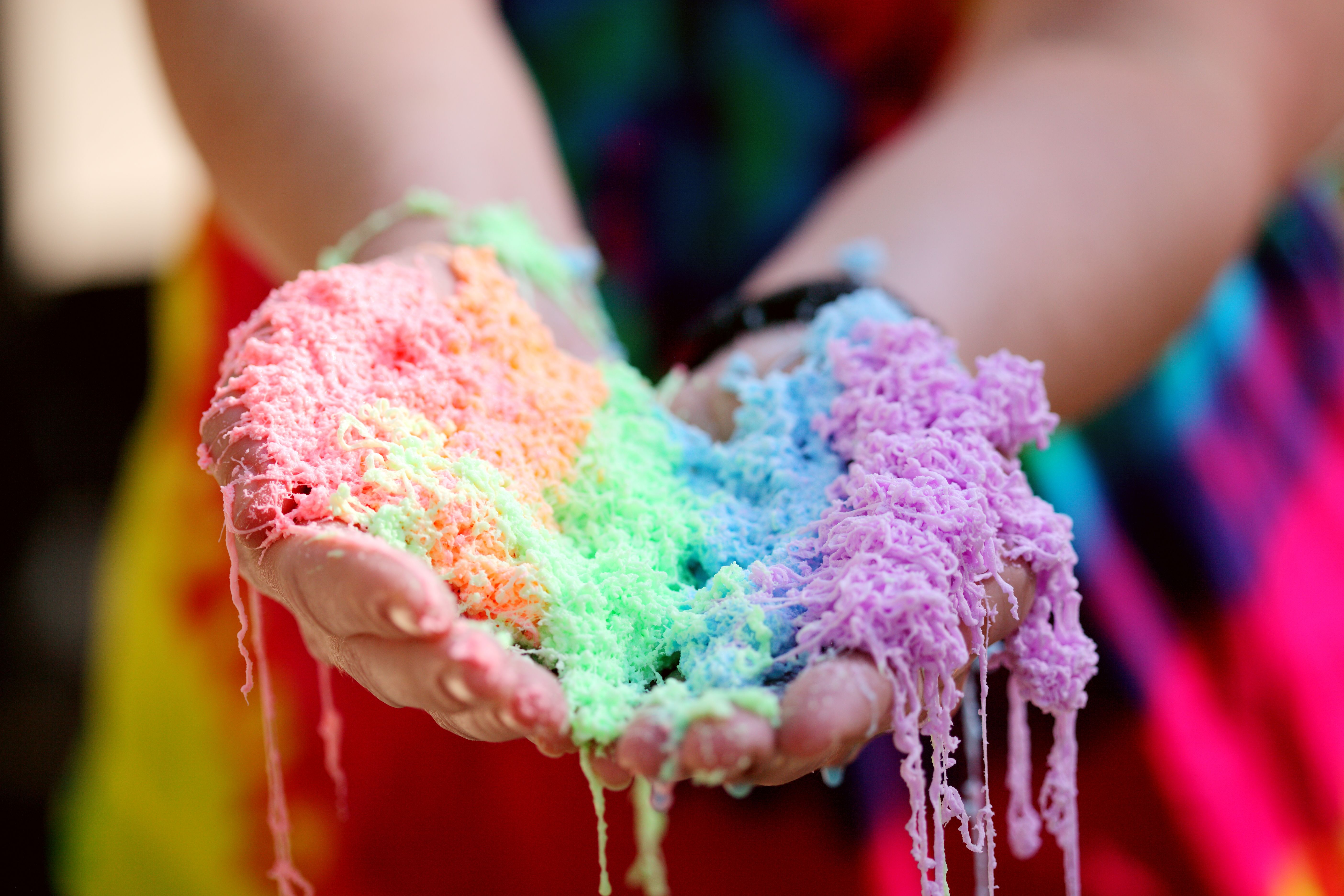
Squishy toys are everywhere. So are the fakes. The category has become hugely popular with children, and some products sell out as demand surges.
NeeDoh, one of the biggest names in the category, saw sales rise more than three times in 2026 and burned through six months of inventory in six weeks.
That kind of demand is exactly what counterfeiters like: shortages, impatient buyers, and a product people are already hunting for. A counterfeit squishy may copy the brand without copying the safety standards behind it.
What can actually be inside a fake
A cheap imitation can come with a very different risk profile. The U.S. Consumer Product Safety Commission has warned that fake and counterfeit squishy toys may expose children to:
- choking hazards
- intestinal blockages if water beads are swallowed
- chemical exposure from unknown filling materials
- chemical burns if certain toys are heated and rupture
What authorities have already found
Warnings in the UK have reported fake squishies containing toxic chemicals and high levels of benzene, a known carcinogen.
Earlier testing by Danish and Swedish environmental agencies also detected volatile compounds including styrene, toluene, and dimethylformamide in squishy toys.
For children who are squeezing, handling, and sometimes chewing these products, what is inside matters.
Counterfeiting strips away more than a logo
The real toy includes things consumers rarely see: testing, material requirements, supplier controls, safety labelling, and regulatory compliance. A counterfeit may reproduce the shape, colour, and packaging while bypassing all of that.
A €20 handbag that looks suspicious is one thing. A brightly coloured toy handed to a child may never trigger the same alarm. When counterfeiters enter categories like toys, cosmetics, electronics, pharmaceuticals, or food, authenticity becomes a consumer-safety issue.
The most dangerous counterfeit may be the one nobody thinks twice about.
Brand protection is also consumer protection
The fake may cost less. The consequences might not. Counterfeiters do not care if they are harming a child. They care that they can profit.
For brands in high-risk consumer categories, monitoring is not only about revenue. It is about finding unsafe product before it reaches more customers.
Source: Sarah Berry, “The danger lurking inside fake squishy toys,” The Sydney Morning Herald, 17 August 2026.